Documented Funding Relationships Between NIAID/NIH, EcoHealth Alliance, and the Wuhan Institute of Virology
The primary documented funding link is NIAID grant R01AI110964, titled “Understanding the Risk of Bat Coronavirus Emergence,” awarded to EcoHealth Alliance (principal investigator Peter Daszak) beginning June 1, 2014. The grant totaled approximately $3.4–3.7 million over its initial period (with later renewals and adjustments bringing obligated amounts near $3.5–3.7 million before terminations and suspensions).

Of this, EcoHealth provided subawards to the Wuhan Institute of Virology (WIV). Figures vary slightly by source and period due to multi-year disbursements and reporting thresholds: approximately $600,000 in commonly cited early totals; Intercept analysis of documents indicated roughly $750,000 allocated to WIV; GAO identified three subawards to WIV totaling about $1.41 million across related mechanisms (including NIH and some USAID pathways). Additional smaller amounts went to other Chinese collaborators such as East China Normal University (~$300,000 in one accounting) and Wuhan University.
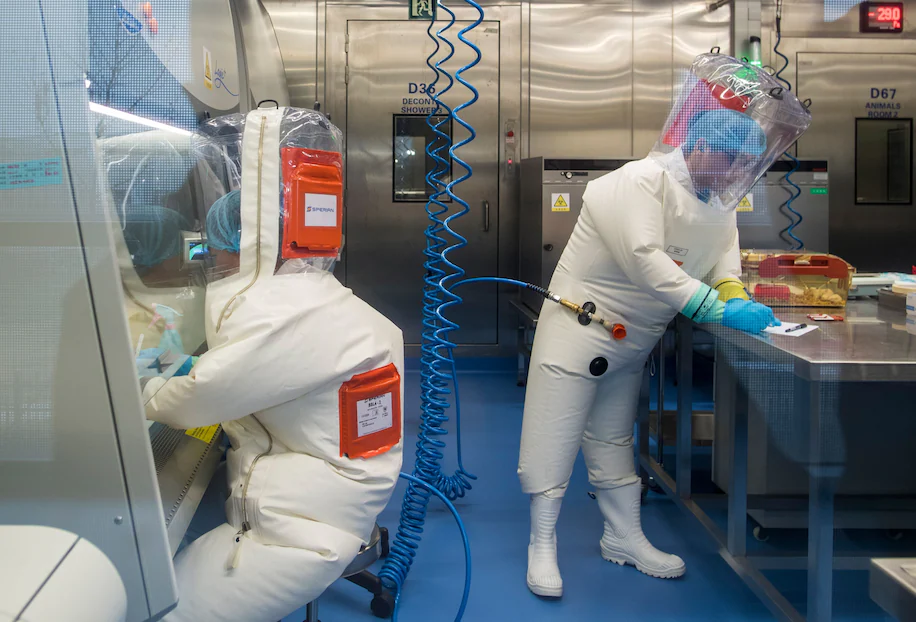
The work involved field sampling of bats, serological surveys, and laboratory experiments on bat SARS-like coronaviruses, including construction of chimeric viruses and testing in humanized mice at WIV and affiliated facilities. NIH terminated the grant in April 2020 amid the pandemic and political pressure, later reinstated it with conditions, then imposed further restrictions. In August 2022 NIH terminated the WIV subaward for non-compliance (failure to provide unpublished data and lab notebooks). HHS OIG’s January 2023 audit (A-05-21-00025) found EcoHealth and NIH monitoring deficiencies, including a Year 5 progress report submitted nearly two years late (due 2019, filed 2021), incomplete subaward agreements, FFATA reporting failures, and $89,171 in unallowable costs (excess salaries, bonuses, tuition, travel, and indirect costs). EcoHealth could not obtain full scientific records from WIV after the outbreak.
In May 2024, HHS suspended remaining active NIH grants to EcoHealth (totaling roughly $2.6 million for the prior year) and proposed debarring the organization from future federal funding, citing ongoing compliance failures related to WIV monitoring and reporting. Separate smaller NIH and USAID subawards reached other Chinese entities (Wuhan University ~$200,000–$240,000 direct/subaward; Academy of Military Medical Sciences-related ~$514,000), but the EcoHealth–WIV channel was the largest and most scrutinized for coronavirus work.
These relationships were public via NIH RePORTER and later FOIA/GAO/OIG releases. EcoHealth retained U.S. funding for other projects after the WIV subaward ended, though under heightened scrutiny.
The Scientific Debate Over Gain-of-Function Definitions
“Gain-of-function” (GoF) is a broad scientific term referring to any genetic change that confers a new or enhanced ability (e.g., better growth, altered host range). Policy debate centers on the narrower category of research that enhances potential pandemic pathogens (PPPs).
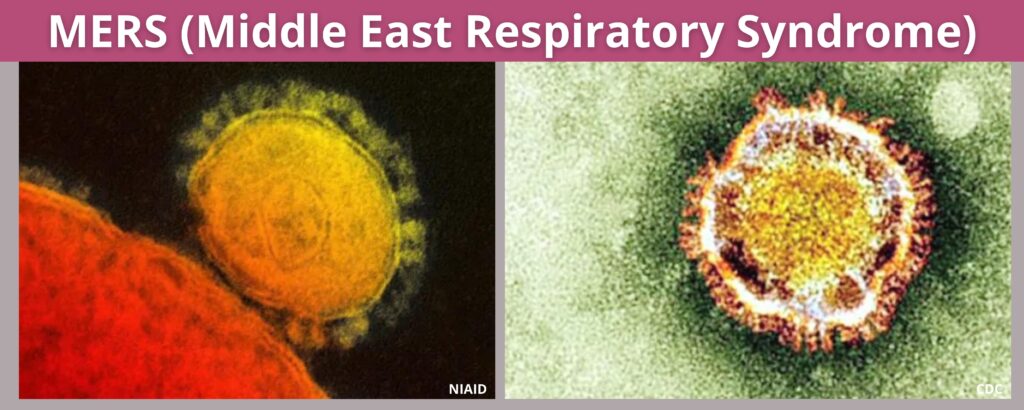
In October 2014 the White House OSTP imposed a funding pause on GoF experiments “reasonably anticipated to confer attributes to influenza, MERS, or SARS viruses such that the virus would have enhanced pathogenicity and/or transmissibility in mammals via the respiratory route.” The pause affected roughly 18 projects; characterization of natural isolates was generally exempt.
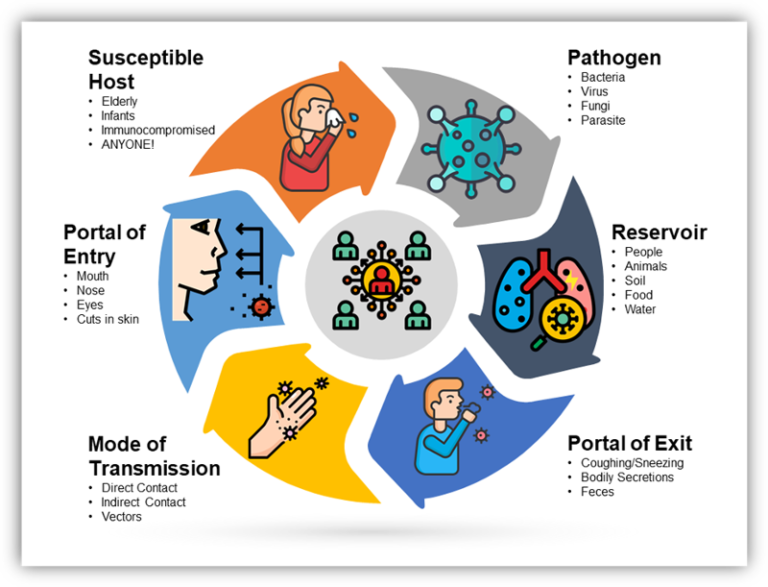
In December 2017 HHS replaced the pause with the Potential Pandemic Pathogen Care and Oversight (P3CO) Framework. It covers research “reasonably anticipated” to create, transfer, or use an enhanced PPP—defined as a pathogen that is both highly transmissible/capable of wide uncontrolled spread in humans and highly virulent (significant morbidity/mortality)—where the enhancement increases transmissibility or virulence. Naturally occurring pathogens recovered from nature are excluded. Only a handful of projects have undergone formal P3CO review.
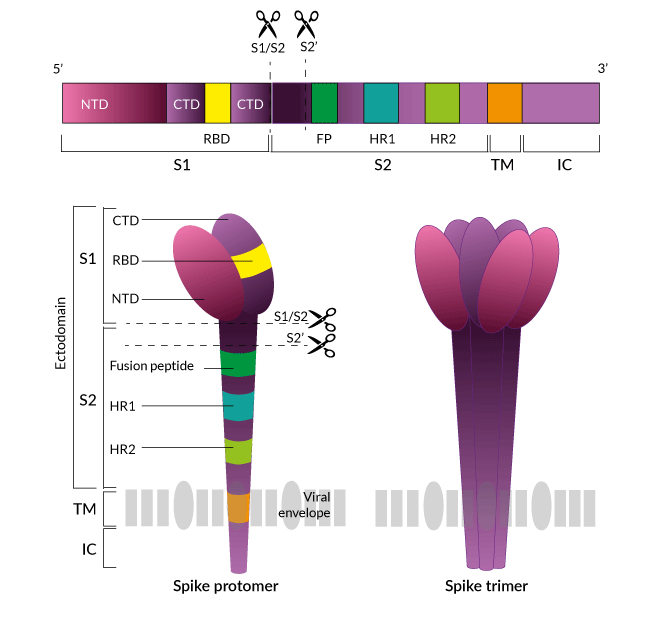
Regarding the EcoHealth/WIV work: Progress reports and Intercept-obtained documents describe creation of chimeric viruses (e.g., inserting spike genes from other bat SARS-like viruses into a WIV1 backbone) and infection of humanized mice. Some chimeras showed higher viral loads (up to several logs, or 10,000-fold at peak) and greater pathogenicity (weight loss) in the mice compared with the parental strain during 2017–2018 experiments. The Notice of Award contained a special condition requiring immediate notification and pause if growth exceeded 1 log.
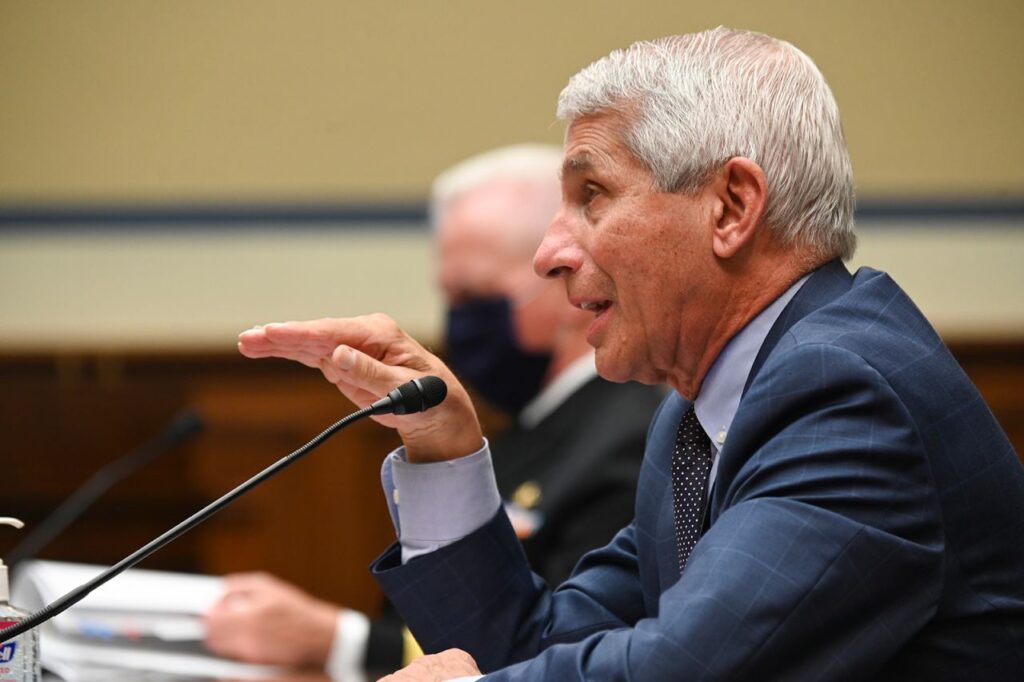
NIH and EcoHealth maintained the work fell outside both the 2014 pause and P3CO because: (1) the parental bat viruses were not known human PPPs (no documented human infections or efficient human-to-human transmission); (2) the experiments were not reasonably anticipated to enhance human pathogenicity/transmissibility; and (3) later viral titers often equilibrated. Fauci repeatedly testified that NIAID “has not ever and does not now fund gain-of-function research” matching the regulatory definition at WIV.
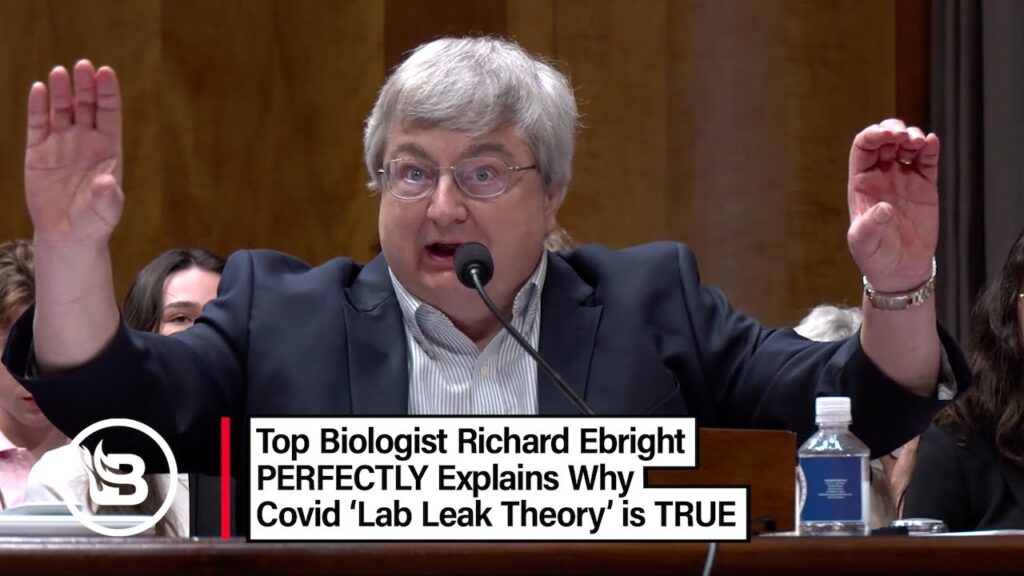
Critics (including molecular biologist Richard Ebright and others consulted in reporting) argue the mouse experiments demonstrably increased pathogenicity and growth, meeting a common-sense or broader “GoF of concern” standard, and that NIH’s reliance on the grantee’s own assurances and post-hoc interpretation created a loophole. HHS OIG noted NIH did not refer the late-reported enhanced growth for formal P3CO review and provided limited guidance on the notification threshold. The debate remains unresolved in policy terms: definitions turn on “reasonably anticipated,” the pathogen’s baseline status, and whether animal-model results predict human risk. No consensus exists that the specific funded experiments produced SARS-CoV-2 or a close progenitor.
The FOIA Record

FOIA releases (BuzzFeed, Judicial Watch, U.S. Right to Know, congressional productions) document early 2020 communications:
- Late January 2020: Kristian Andersen emailed Fauci noting unusual genomic features that “look engineered” and that the genome appeared “inconsistent with expectations from evolutionary theory.” Fauci, Francis Collins, and Jeremy Farrar (Wellcome Trust) arranged a February 1, 2020 teleconference with Andersen, Edward Holmes, Robert Garry, and others.
- Within days the group shifted toward a natural-origin assessment. A draft of what became the March 2020 Nature Medicine paper “The proximal origin of SARS-CoV-2” circulated by February 4. Andersen later wrote that the paper was “prompted by” Farrar, Fauci, and Collins. The published paper concluded the virus was “not a laboratory construct or a purposefully manipulated virus.” Congressional investigators and critics characterize the sequence as an effort to shape the public narrative; the authors maintain it reflected evolving scientific analysis.
- Separately, Peter Daszak drafted and circulated the February 19, 2020 Lancet letter stating that scientists “overwhelmingly conclude” a natural origin and condemning “conspiracy theories suggesting that COVID-19 does not have a natural origin.” Emails show Daszak and EcoHealth colleagues discussed omitting their names to avoid the appearance of a political statement from the organization that funded WIV work. Daszak signed it; competing-interest disclosures were initially incomplete regarding EcoHealth’s WIV collaboration and NIH funding. The Lancet later published an addendum.
Additional FOIA material includes State Department cables from 2018 warning of biosafety issues at WIV, internal NIH discussions of the grant’s special conditions, and later emails on messaging. These records establish coordination among senior scientists and funders to assess and publicly address the lab-origin hypothesis early; they do not prove a coordinated suppression of evidence or knowledge that a lab incident occurred.
Intelligence Assessments

The U.S. Intelligence Community has not reached consensus. Key declassified products include the August 2021 ODNI summary and the June 2023 ODNI report on potential WIV links (mandated by Congress).
- All agencies assess both natural zoonotic spillover and a laboratory-associated incident remain plausible. SARS-CoV-2 was not a biological weapon, and almost all assess it was not genetically engineered as a bioweapon. Most assess it was not laboratory-adapted through serial passage in a way that would leave clear signatures.
- FBI assesses (moderate confidence) a lab-associated incident (experimentation, animal handling, or sampling at WIV) as most likely, citing the risky nature of the coronavirus work and biosafety practices.
- Department of Energy (with national labs) assesses (low confidence) a lab origin as most likely, for different analytic reasons.
- National Intelligence Council and several other agencies assess natural origin as more likely.
- CIA and at least one other element remain undecided.
The 2023 report notes WIV conducted extensive pre-pandemic bat coronavirus research, including genetic engineering of chimeras and use of humanized mice, sometimes under BSL-2 conditions that some analysts viewed as inadequate. Several WIV researchers were ill in fall 2019 with symptoms consistent with (but not diagnostic of) COVID-19 or common illnesses; this neither confirms nor refutes a lab origin. No intelligence indicates WIV possessed SARS-CoV-2 or a close progenitor before the outbreak. Biosafety lapses increased accidental-exposure risk, but no specific incident is confirmed as the source. Later document releases (including 2026 ODNI productions) have added internal assessments noting conditions at WIV were conducive to accidental release of a laboratory-modified coronavirus, without resolving the overall split.
These assessments rest on incomplete data: China has not shared early case records, raw sequences from the market, or full WIV databases. The IC explicitly states both hypotheses remain open.
In summary, the funding trail, definitional disputes, early scientific communications, and intelligence judgments are extensively documented in primary government records, FOIA releases, and official audits. They establish U.S. financial support for bat coronavirus research at WIV, legitimate scientific disagreement over regulatory thresholds, coordinated early messaging against a lab-origin narrative, and an unresolved intelligence split—without establishing that the funded experiments created SARS-CoV-2 or that any party intentionally caused the pandemic…







More Stories
PsyWars: Fifth Generation Warfare and Sovereignty
COVID:19:Vaccines:Bioweapons
An Inconvenient Study
Criminal mRNA Malfeasance by the CDC